
Field Programme · GuruJal
📅 21 February 2026 · 📍 BSF Camp · Khandewala · Bhokarka · 👥 21 Participants
Water Conservation & Exposure Site Visit
An experiential site-visit programme giving participants hands-on exposure to pond restoration, wastewater treatment, traditional well revival and native plantation — hosted by GuruJal in partnership with Prana Earth under Delhi Climate Innovation Week 2026.
- Date
- 21 Feb 2026
- Sites Visited
- 3
- Participants
- 21
- Water Bodies
- 4
About the Programme
Learning water conservation through real-world exposure
This experiential programme gave participants hands-on exposure to water conservation and restoration work — exploring ponds, a Wastewater Treatment Plant and a restored traditional well. Participants learned how rainwater harvesting, pond restoration and native plantation are used to manage water sustainably, drawing from real community examples.
While travelling in the bus, Anjali Singh briefed the participants about the sites to be visited and explained the work being done there. The programme helped participants understand sustainable water management methods through direct field observation and expert-guided walkthroughs.
Site Highlights
Explore Each Location
- Site 01
BSF Camp — Mahila Barrack & Shaheed Ahlawat Pond
Wastewater Treatment Plant · Pond Restoration · Rainwater Harvesting
- Toured the Mahila Barrack Pond with on-site briefings about the campus from the GuruJal team.
- Visited the Waste Water Treatment Plant — observed how wastewater is cleaned and reused.
- Conducted a full pond walk, observing structure, water flow and treatment stages.
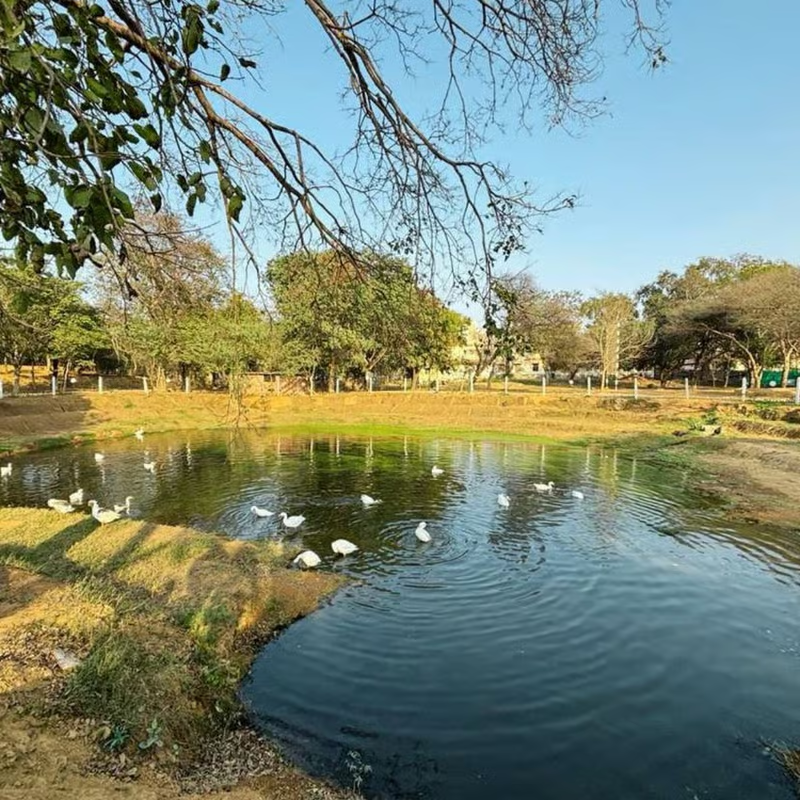
- At Shaheed Ahlawat Pond: learned about rainwater storage, groundwater recharge and local ecology.
- Interactive Q&A on pond capacity, maintenance and treatment technology.
- Site 02
Khandewla Village — Restored Traditional Well
Heritage Water Conservation · Cultural Identity · Rainwater Channeling
- GuruJal restored a traditional dug well, connecting heritage with water conservation.
- The well helps recharge rainwater and reduces local flooding in the village.
- Cultural significance through Kua Poojan — celebrating new births and the purity of water.
- A school rooftop is connected to the well, channelling rainwater directly into it.
- An iron-bar lid was installed to prevent waste disposal and ensure water safety.
- Site 03
Bhokarka Pond — Restoration Site
Native Plantation · Biodiversity · Community-Led Restoration
- Shubhi Kesarwani briefed participants on how GuruJal initiated this restoration project.
- Aakash shared his personal field journey — inspiring participants with first-hand stories.
- Pond walk guided by Ismail Ahmad, who explained the native plants and shrubs around the pond.
- Native plants improve biodiversity, support water retention and create healthy ecosystems.
Programme Flow
How the Day Unfolded
- On the Way01
Briefing on the Bus
The GuruJal team oriented participants about all three sites and the nature of work being done at each location. - First Stop02
BSF Camp — Ponds & WWTP
Visited Mahila Barrack Pond, explored the Waste Water Treatment Plant and learned about Shaheed Ahlawat Pond's ecological role. - Second Stop03
Khandewla Village — Restored Well
Witnessed GuruJal's restoration of a centuries-old traditional well with cultural and hydrological significance. - Final Stop04
Bhokarka Pond — Native Ecosystem Walk
Explored native plant species, heard field stories from the team and completed a full pond walk to observe the restored site.
Learning Themes
What Participants Took Home
Rainwater Harvesting
Storing rain for recharge and reducing flood risk in villages.
Wastewater Treatment
Understanding how WWTP technology cleans and recycles water.
Native Plantation
How local flora supports biodiversity and water retention.
Cultural Conservation
Kua Poojan as a bridge between tradition and water stewardship.
Participant Q&A
Questions Raised During the Visit
What is the capacity of the WWTP?
Which technology is used in wastewater treatment?
What was the condition of the Khandewla well before restoration?
Why is Kua Poojan culturally important?
What native plants were planted around Bhokarka Pond?
How often are the ponds cleaned and maintained?
Conclusion
A Step Towards Sustainable Water Awareness
The site visits helped participants understand water conservation in a practical way. By visiting the BSF Camp ponds, Khandewla's restored well and Bhokarka Pond, they saw how pond restoration, rainwater harvesting, sewage treatment and native plants support groundwater recharge.
The programme also showed the importance of community efforts and cultural practices like Kua Poojan in protecting water sources. Overall, the visit increased awareness and motivated participants to save water and support environmental conservation in their daily lives.
Join the Next Programme
Interested in a field exposure visit?
We host field visits, water-conservation workshops and partnership opportunities through the year. To learn about the next programme or to partner with GuruJal on restoration work, get in touch at communications@gurujal.org.